
Words and images by Laura Mazza
I wasn’t even below the surface yet when I started realizing about how much this tiny piece of equipment could change the way I dive.
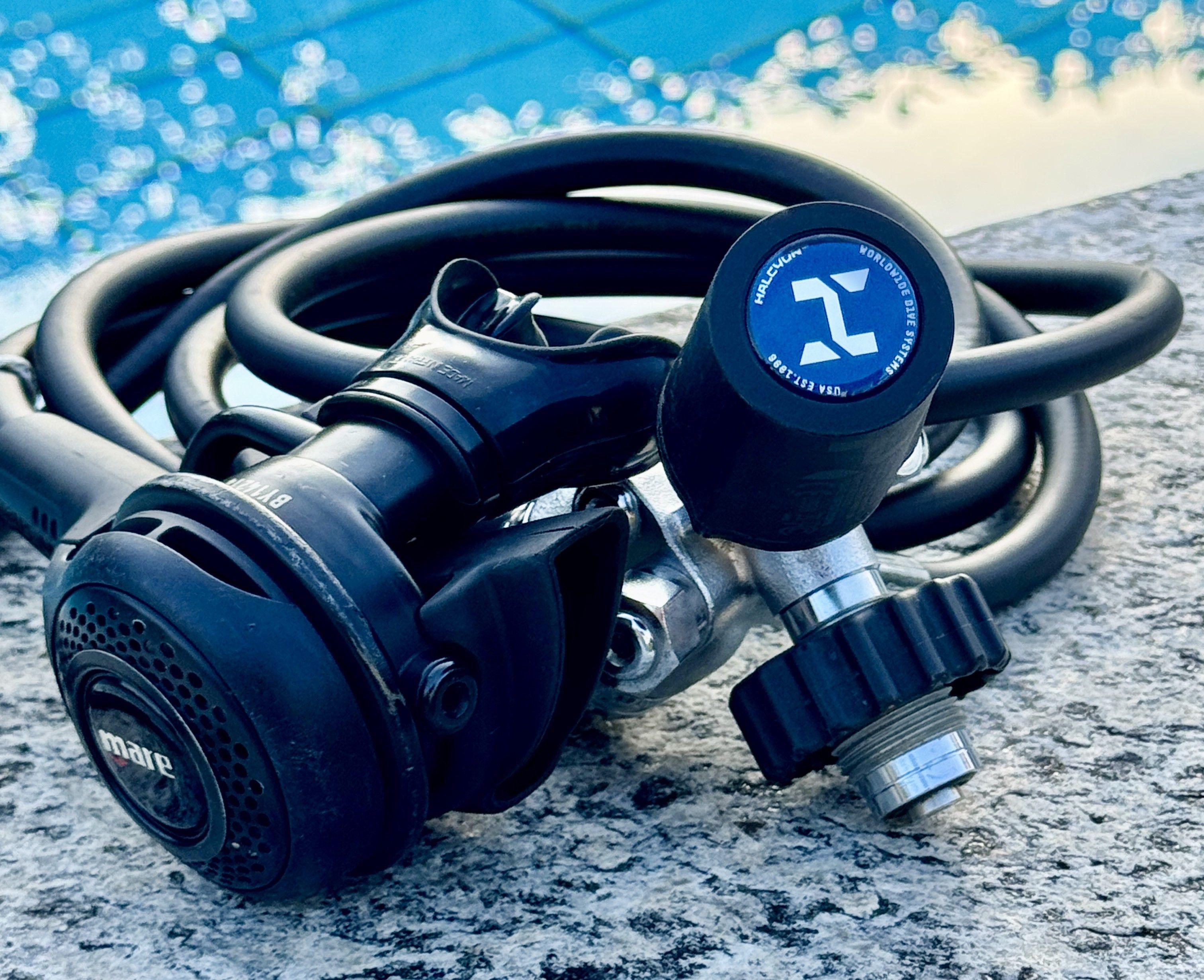
I have to admit it: at first, I was quite hesitant. On one hand I was curious, but on the other I had that sense of caution that always comes over me when I try something new underwater. I know very well how a traditional hose pressure gauge works; it’s a piece of equipment that has always been part of dive gear, something familiar. A tank pod, on the other hand, was completely new technology to me. I had never used one before, and my questions were immediate: how does it actually work? Is it reliable? Does it offer real advantages over a traditional pressure gauge, or is it just an extra convenience?
There was only one way to find it out: I needed to try it for myself.
The first surprise came before the dive even started. The setup was much simpler than I expected. Within a few minutes, everything was ready, without any complications. Once it was connected, it took almost no time at all for the dive computer to recognise the tank pod. And that was when I smiled for the first time.
There on the display was my tank pressure, clear as day: 209 bar.
A precise number, immediate and unmistakable.
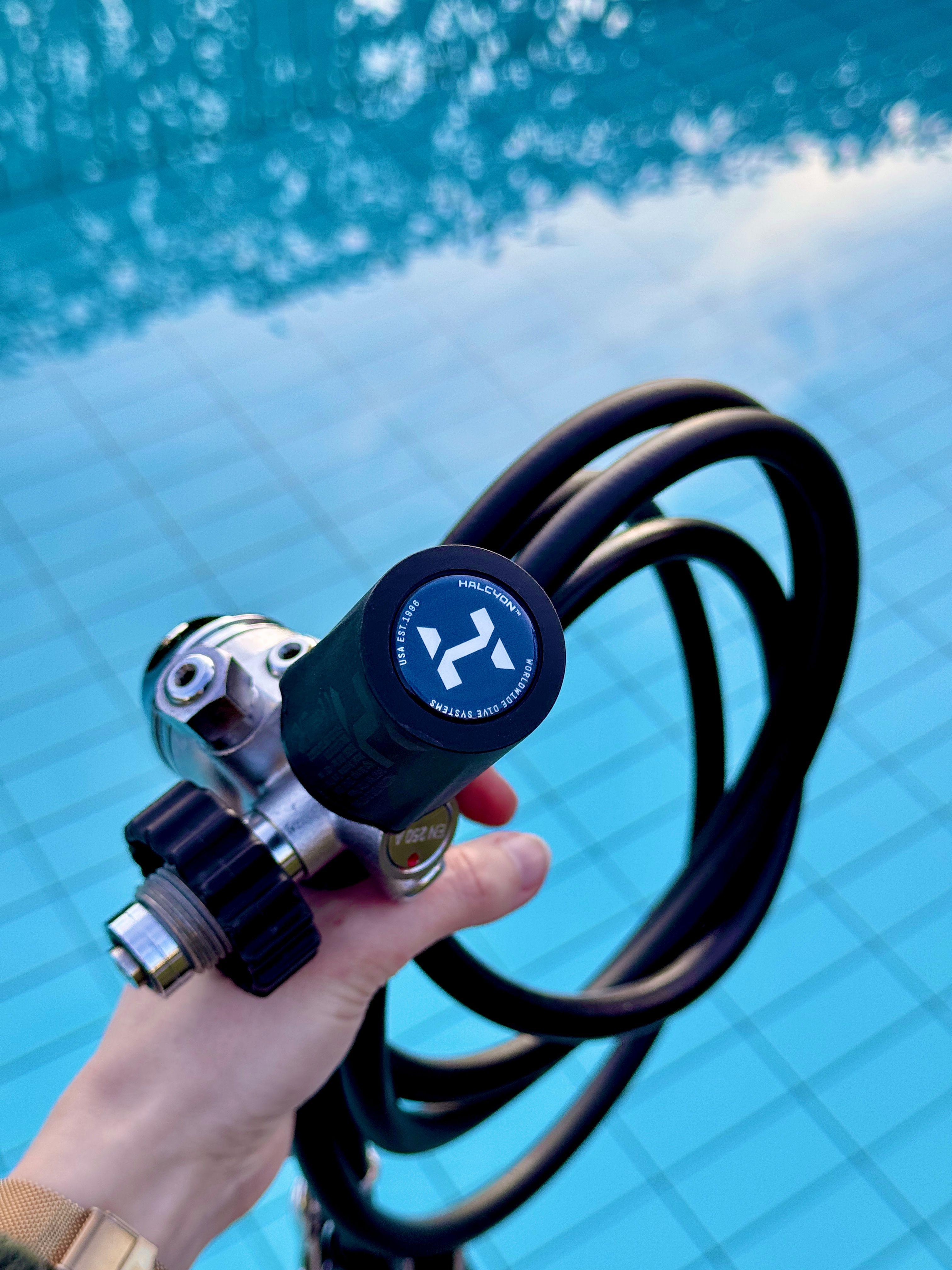
It may seem like a small detail, but it really isn’t. Until then, I had always been used to reading a traditional pressure gauge with the usual approximate interpretation: a little over 200, a little under 210, around there. With the tank pod, there was no room for interpretation. I knew exactly how much air I had at that very moment, without having to tilt my wrist, look for the right light, or focus on tiny markings.
And for someone like me, who doesn’t always get an immediate reading from instruments underwater, that difference is noticeable straight away.
Even with lenses or a prescription mask, reading a hose gauge is not always that quick. In ideal conditions it already takes a certain amount of attention. But when you are diving in cold water, perhaps with limited visibility, wearing gloves, with a heavier setup than usual and many things to manage at the same time, even a simple action stops feeling so simple. You have to find the gauge, pull it towards you, position it properly, read the scale carefully, then stow it away again. It’s nothing dramatic, of course, but it is still a small interruption in the flow of the dive.
With a tank pod, instead, the information is already right where you need it: on the computer.
For me, this was the first real shift in perspective. It is not just about reading better; it is about making gas monitoring feel more natural, more continuous, more integrated into the way you experience the dive. You no longer really have to stop to check, because the information is already in front of you every time you look at your computer.
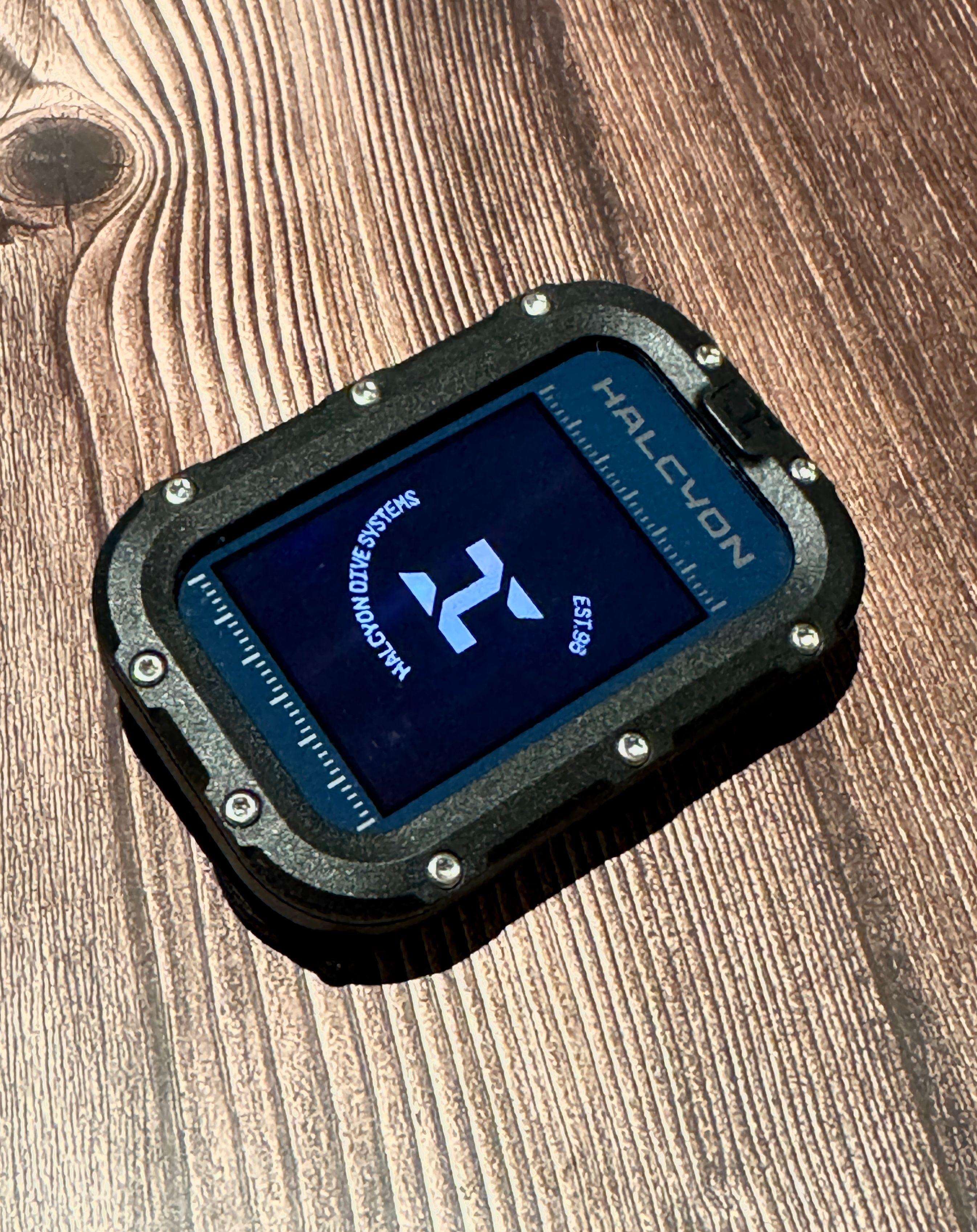
If I had to sum up my first impression in one sentence, I would say that the tank pod did not simply show me my pressure in a different way. It made me more aware of my gas in a far more instinctive way.
And that, in my opinion, is where one of the most interesting differences from a hose gauge really emerges.
I am lucky enough to have good gas consumption and, in general, I have always been careful with gas management. But having good gas consumption does not mean you can relax about it. Quite the opposite. Regularly monitoring how much gas is left in your tank is essential from the very start of the descent. It becomes even more important at greater depths, where gas consumption increases significantly, and it becomes crucial when the dive gets more demanding because of the conditions, the environment, or simply the level of focus involved.
Because the truth is that it is precisely in the most beautiful or most delicate moments that it becomes easiest to lose track of time. It happens on a wreck, when you start looking around and every detail captures your attention. It happens in front of spectacular corals. It happens while watching an animal and wishing the moment would last just a little longer. And it happens even more if you are taking photos or videos, because in that case your attention is divided and time seems to move differently.
Then you look at your gauge and realise that the pressure has dropped much more than you expected.
With a tank pod, that feeling is reduced quite a lot, because your tank pressure is always visible on the computer and becomes part of your usual checks. You do not have to remember to look for your gauge as often; it is much easier to take a quick glance and keep a constant sense of how the dive is going. And most importantly, seeing the number change in real time gives you a much more concrete sense of how quickly you are actually consuming your gas.
For me, at least, that was one of the most useful things of all.
With a traditional gauge, I tended to think in separate checks: I looked, memorised the value, carried on, then checked again later. With a tank pod, instead, you start to understand the trend much better. You notice almost immediately if, at a certain moment, you are consuming more gas. Maybe because you are a little tense, maybe because you are finning against a current, maybe because you have gone deeper, or because your trim is not yet as relaxed as it could be. The changing number on the display gives you an immediate feedback.
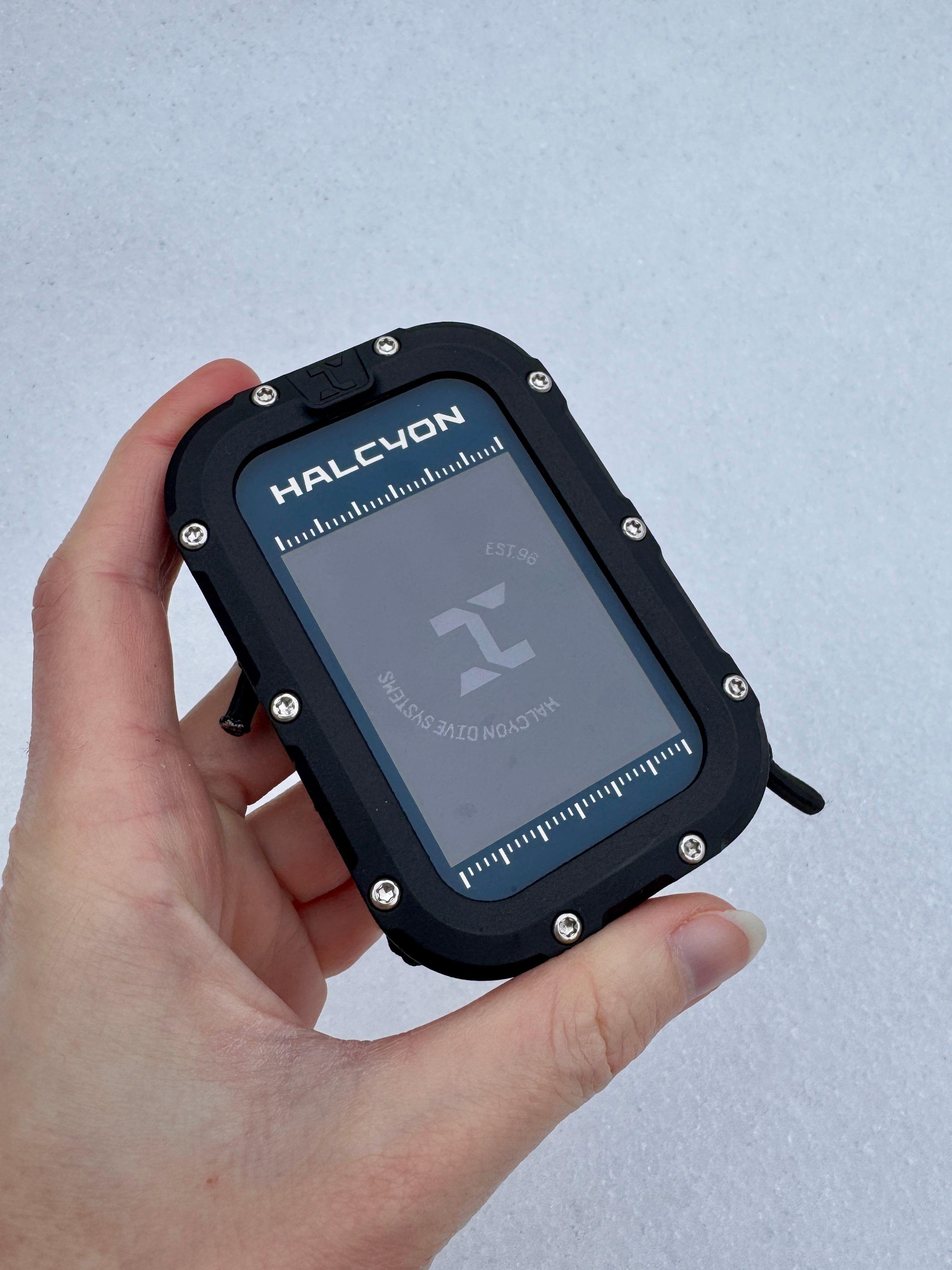
It helps you connect your sensations, your breathing rhythm, and your actual gas consumption more clearly. And I think this can help not only experienced divers, but also anyone who wants to improve their control underwater. Seeing such a direct link between your behaviour and your consumption teaches you a lot. It makes you more attentive, more precise, perhaps even calmer.
Another thing that struck me was that all of this happens without taking anything away from the pleasure of the dive. At first I was worried that having my pressure constantly in front of me might feel almost intrusive, too technical, as if it would turn the dive into a continuous check of numbers. In reality, I had the opposite impression. Precisely because the information is so easy to access, it almost stops feeling like a distraction. It becomes part of the natural flow. You check it, register it, and keep enjoying everything around you.
Maybe that is exactly the point that convinced me more than anything else: the tank pod made me feel more present, because I was less busy managing equipment and more free to focus on everything else.
If I could go back, I would not wait so long to try it.
Not because a traditional hose gauge does not work. But because of the ease of reading, the precision of the data, the convenience of having everything directly on the computer, and the way it improves gas monitoring throughout the entire dive.
Laura Mazza
Creator of the popular Instagram account DiveWithLaura, unfiltered (and slightly ironic) diving content